
Background
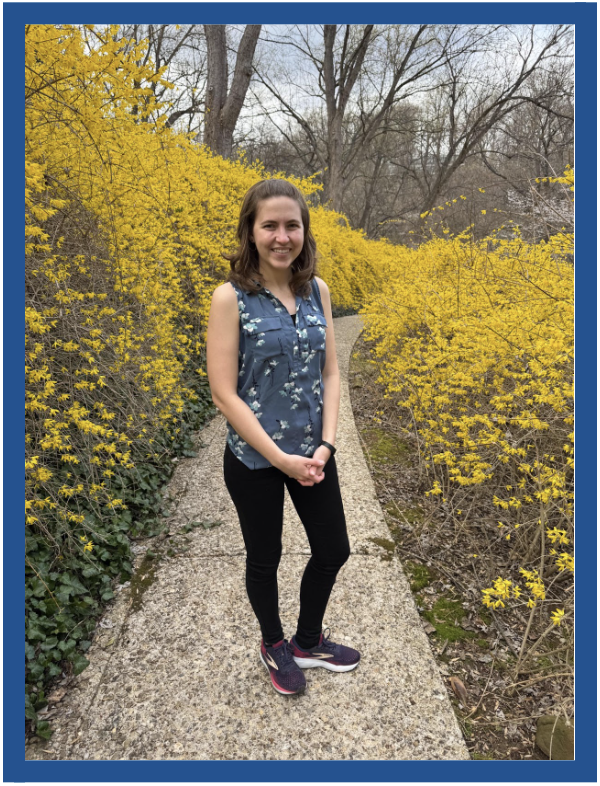
Dr. Alexandra DeCandia is a Professor of Biology at Georgetown University, where her research focuses on molecular and disease ecologies, conservation biology, and wildlife management. She earned her undergraduate degree in Environmental Biology from Columbia University and received both her Master’s and Ph.D in Ecology and Evolutionary Biology from Princeton University.
Involvement in Research
Dr. DeCandia’s research on conservation biology began during her Ph.D program at Princeton, where she studied conservation genetics of Yellowstone National Park wolves, red foxes, coyotes, and other animal populations. The Channel Island foxes (off the coast of Southern California) are one such species Dr. DeCandia’s research centers on. She is involved in a collaborative effort between nonprofits, government agencies, the National Park Service, and researchers from other universities who collect biological and field data, analyze results, and use genetic methods to better understand and preserve biodiversity.
Aside from her interstate research, Dr. DeCandia is also involved in local conservation efforts. She studies environmental microbiomes and the host-associated microbiomes within animals, and visits local watersheds with students to analyze microbes in the soil or water to understand their effects on the regional ecosystems.
Inspiration
Initially, Dr. DeCandia did not know a field existed within the intersection of biology, ecology, and evolution– only that she was passionate about wildlife, and wished to pursue a career that best encapsulated her love for animals. She found an avenue through her second research job at the American Museum of Natural History, where she joined a genetics lab, allowing her to gain exposure to molecular biology practices and understand how they could be applied to conservation efforts.
After she graduated from Columbia University with her B.A, Dr. DeCandia decided to explore a new ecological question during her Ph.D: the influence of an organism’s microbiome and its implications for conservation efforts. Microbiomes, she explains, are ecosystems of microorganisms that exist on and inside an organism, which play a critical role in survival. They assist in digestion, the immune system, and growth and development. Understanding the effects of microbiomes can aid in preserving animal populations and perhaps even help determine causes for a species’ increase or decrease in population.
Reflection
Dr. DeCandia claims the most rewarding aspect of her research has not only been the advances in microbiome understanding, but additionally the mentorship of students involved in her labs, where she works with them to build their research skills and how to ask and answer scientific questions. She emphasizes the complexity of the natural world, and the importance of asking questions when there is information not yet understood.
She highlights collective effort in science, where although one discovery on its own is important for furthering conservation efforts and the field of environmental biology, Dr. DeCandia suggests that these discoveries are also critical in impacting other studies: one project leads into another, and as one question is answered, a new one is posed.
Advice for Students
Dr. DeCandia encourages that it is never too late to get involved in research and that students should reflect on what research field is most interesting to them. Initiate conversations and connect with professors whose labs may align with your interests. It can take numerous cold emails, phone calls, and coffee chats, but persistence is key for those who wish to get involved. The process may be tedious, but so long as you are interested in the topic and want to be there, it will be worthwhile. Dr. DeCandia explains the idea simply: “Never count yourself out and follow your passion.”